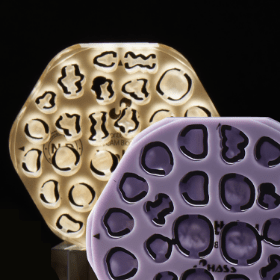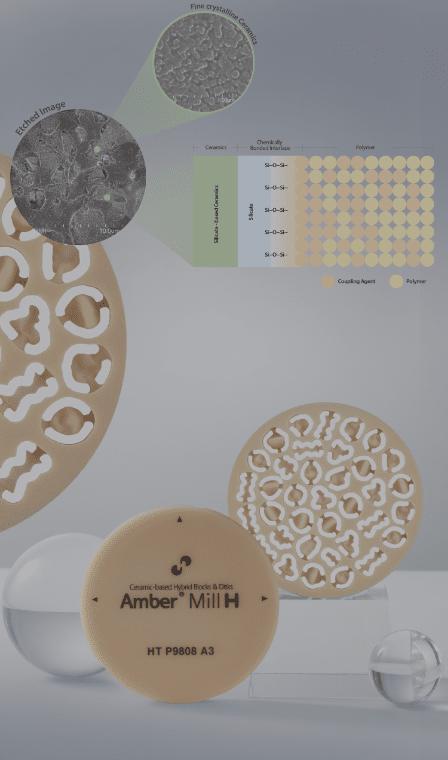





Amber Press Master
Why choose Amber Press Master
Key features 01
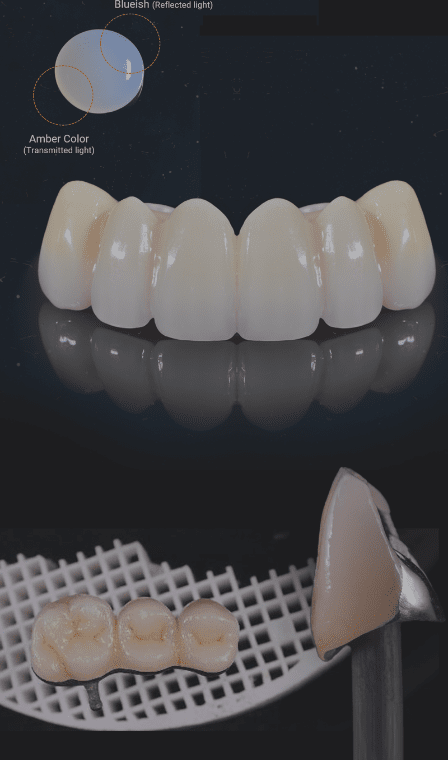
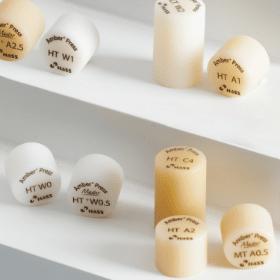
Natural Shade, Visible in the mouth
Key features 02
Thermal Stability
Key features 03
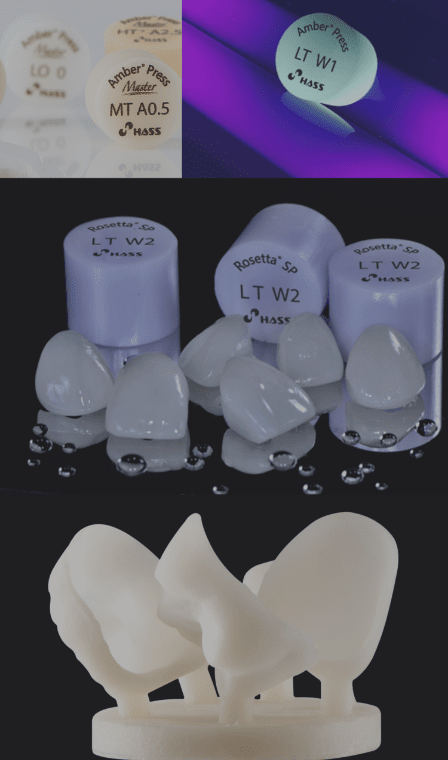
Fluorescence
Key features 01
Natural Shade, Visible in the mouth
Amber® Press Master

Key features 02
Thermal Stability
The rigid framework from Amber Press Master is known for its high thermal stability and
strength since it can withstand a relatively high glass transition temperature (Tg).

Key features 03
Fluorescence

In Loving Memory of Willi Geller
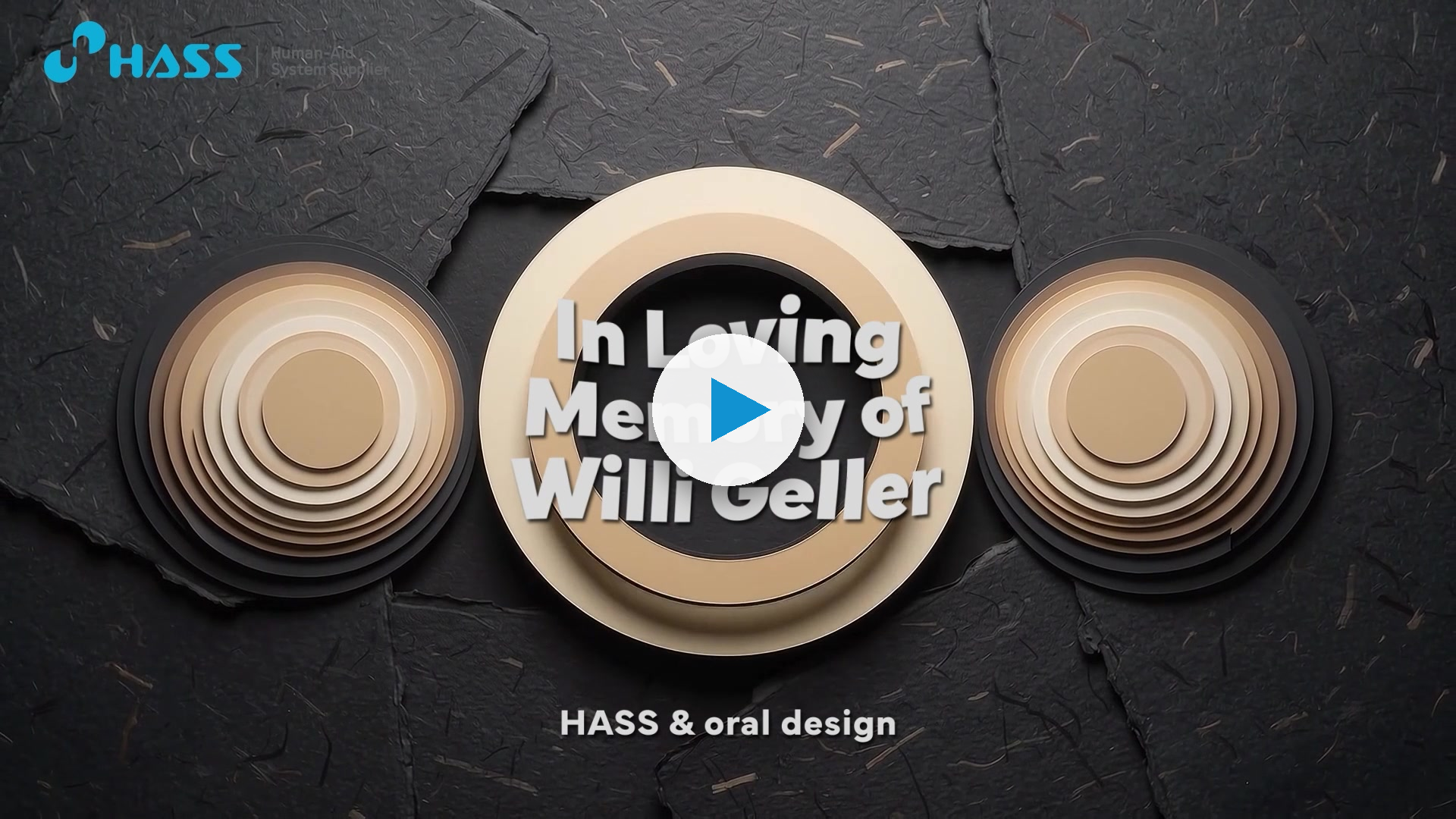
A tribute video by HASS and "oral design", the international dental ceramics foundation, honoring Master Willi Geller, who passed away in December 2024.
The film reflects on his vision of a material that sets creativity free and the collaboration behind Amber Press Master.
See the Results. Trust the Material.



[1] https://doi.org/10.1016/j.jmbbm.2022.105520,, Katrin Zumstein, Alexis Ioannidis*, Load-bearing capacity of pressable lithium disilicates applied as ultra-thin occlusal veneers on molars. Journal of the Mechanical Behavior of Biomedical Materials, 2022.10.13.


![Scientific Data] Amber Press](https://hassbio-head.s3.ap-northeast-2.amazonaws.com/downloads/images/dpxX6VehpNB55GJIRG8NowL3k4bnoEY6w4ZqGLCj.png)
![Reference Articles] Amber Press](https://hassbio-head.s3.ap-northeast-2.amazonaws.com/downloads/images/WyJ1kW9oZPsKOSokWkyG8sBrjIZFtgbdmd8QL7zK.png)
![Reference Articles] Amber Lisi-POZ](https://hassbio-head.s3.ap-northeast-2.amazonaws.com/downloads/images/590QGNbLmAFCv2eW71N7iLSgTceoIqfXgYFAu55i.png)
![Reference Articles] Amber Lisi-POM](https://hassbio-head.s3.ap-northeast-2.amazonaws.com/downloads/images/Vj9yuI46O1exfssr8DEkwxqcUxldh6SdxmF5bBjx.png)
Available Shades
Available Shades

Indications
Indications

Pressing Schedules
Pressing Schedules

FAQ
FAQ
Want to learn more about Amber Mill Master?
Check out the frequently asked questions below.
I would like a basic guide for selecting the translucency of HASS products.
High Translucency: used to reproduce the translucency of the enamel layer of natural teeth.
Low Translucency: used to reproduce the translucency of the dentin layer of natural teeth.
Medium Opacity: used to mask the abutment color when it differs from the target shade.
Preferred translucency varies from user to user.
In general, when working with the stain technique only (no layering), High Translucency is commonly used for inlays and onlays, and Low Translucency for thin veneers.
Translucency selection guide for HASS products?
Preferred translucency and technique vary from user to user.
In general, High Translucency (HT) or Medium Translucency (MT) is selected when fabricating restorations with the stain technique, and Low Translucency (LT) is commonly used with the layering technique.
Many users also prefer to fabricate thin veneers of 0.5 mm or less using Low Translucency (LT) with the stain technique.
When the abutment color differs greatly from the target shade, many users fabricate the framework in Medium Opacity (MO) and complete it with the layering technique.