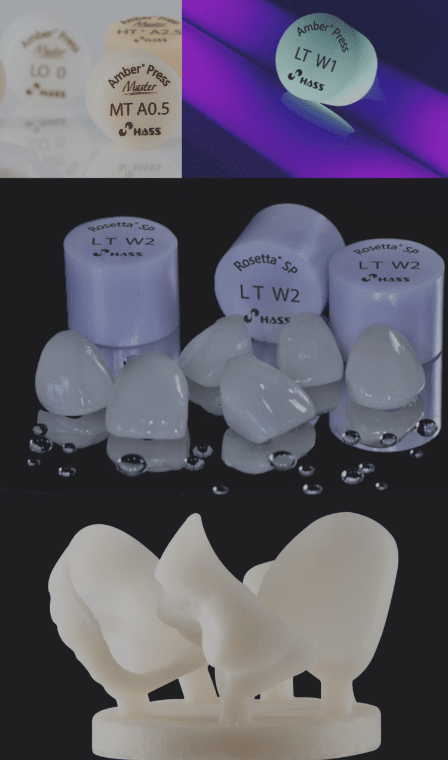




Rosetta SM
Why choose Rosetta SM
Key features 01
Best-Seller, Rosetta SM
Key features 02
Optimized Strength for Both Milling and Durability
Key features 03
Innovative pioneer – Φ 98 DISK
Key features 01
Best-Seller, Rosetta SM
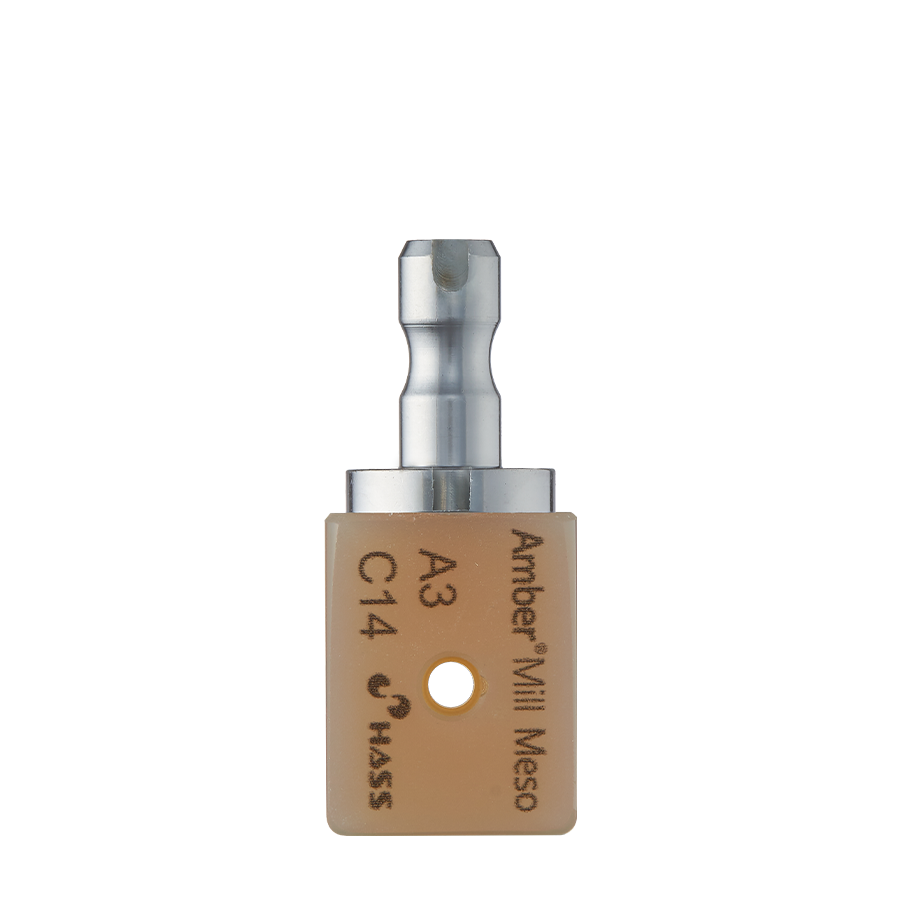
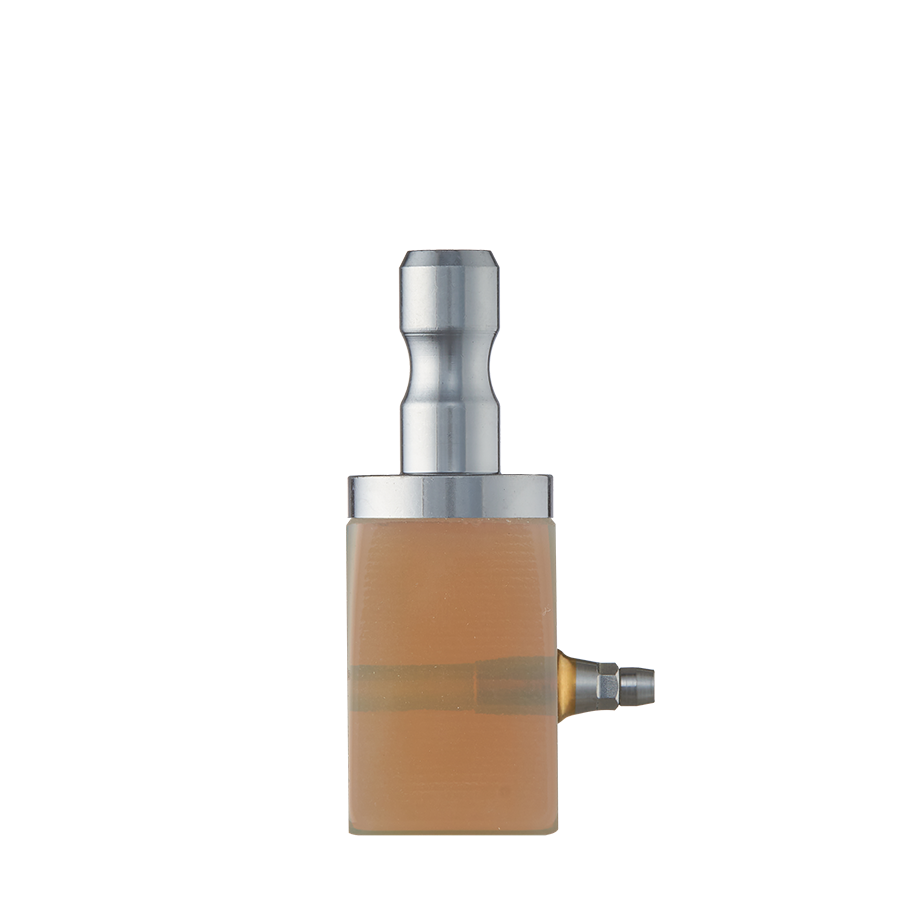
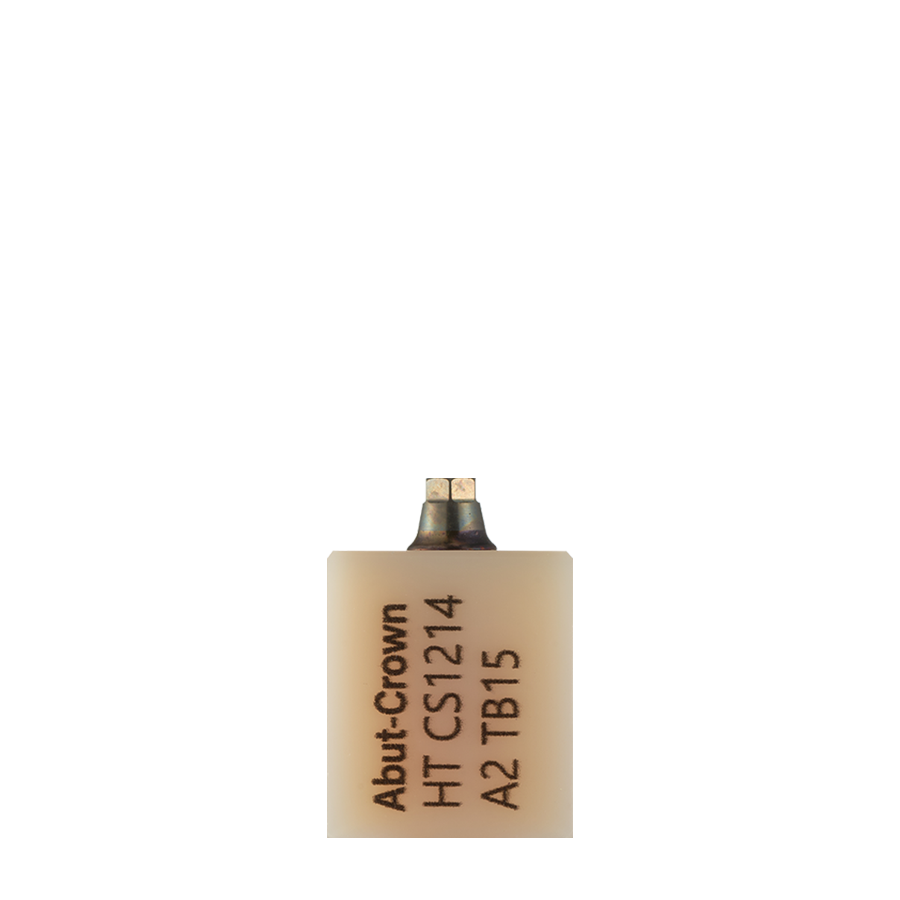
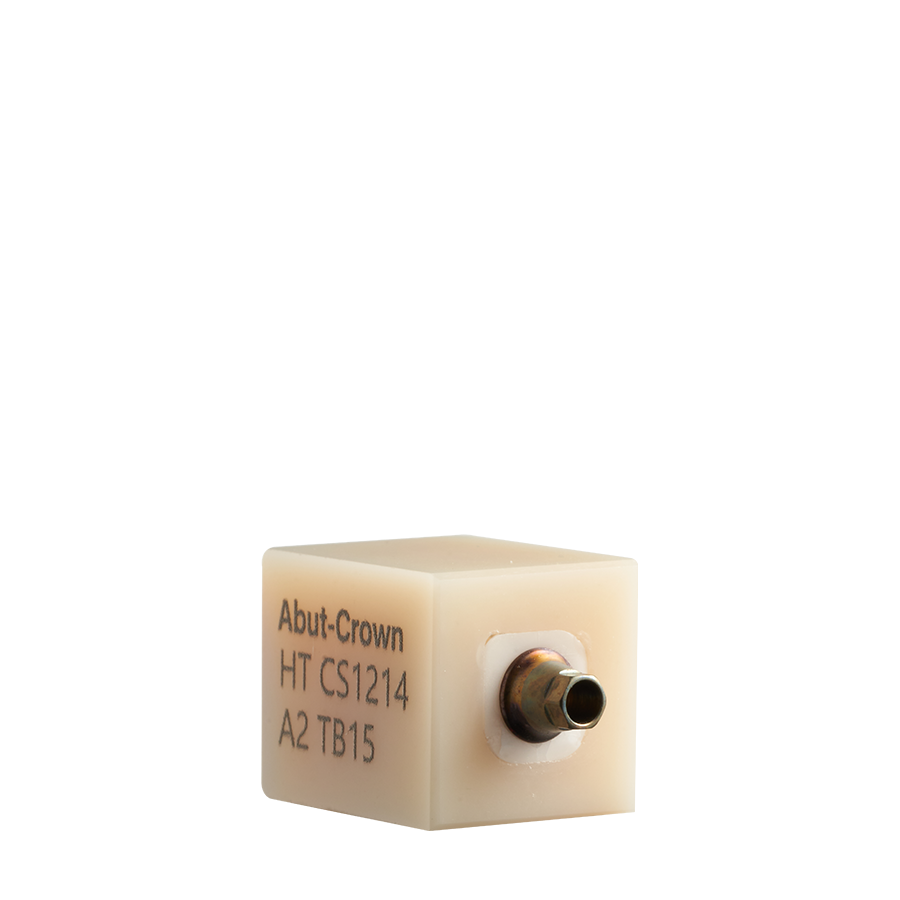
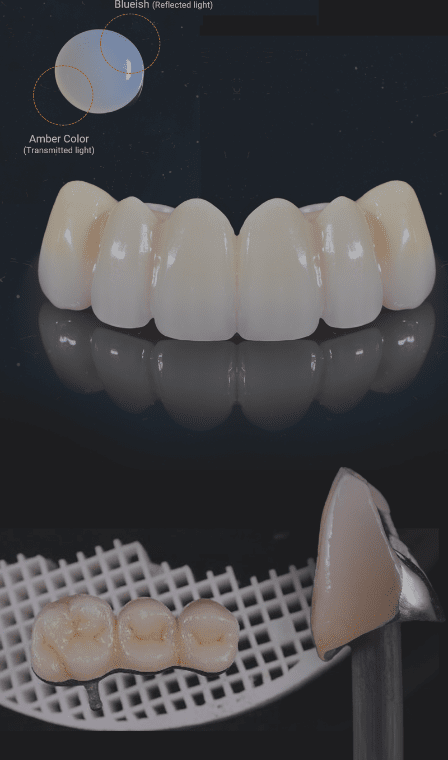
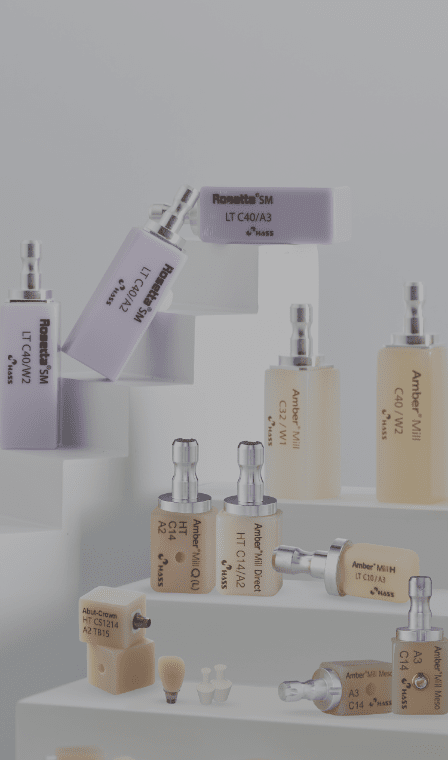
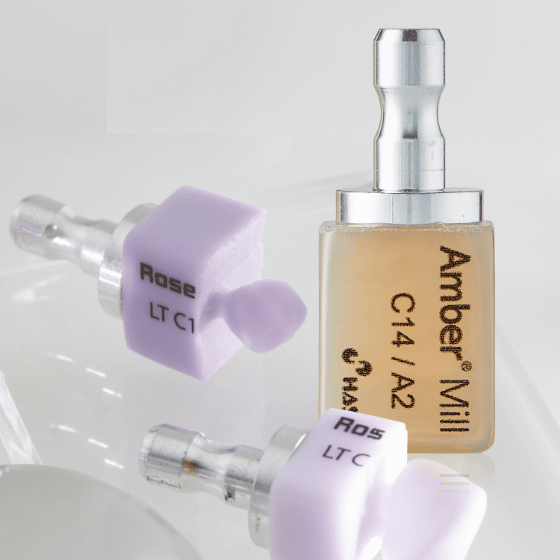
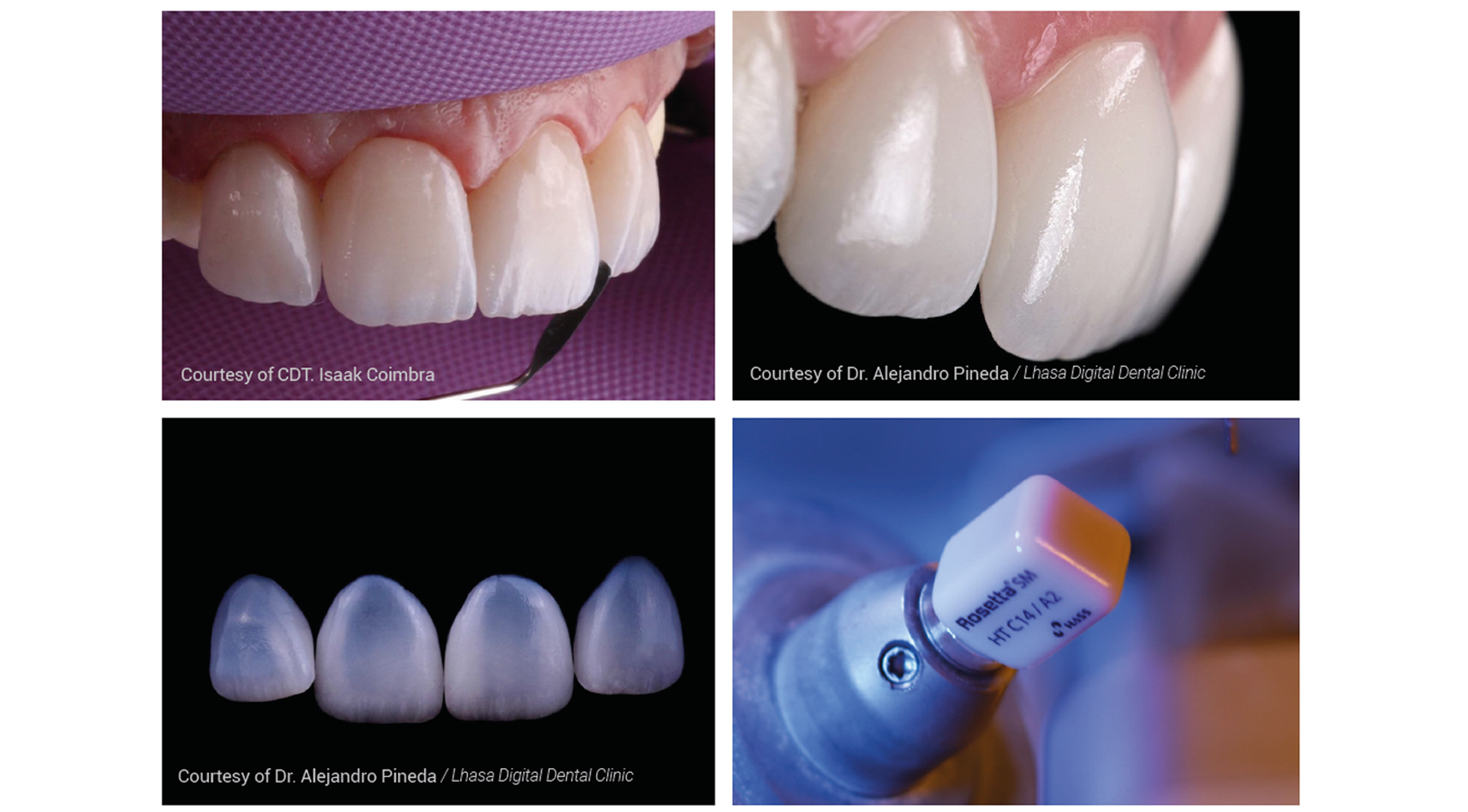
Launched over 13 years ago, Rosetta SM represents the heritage and reliability of HASS’s long-standing commitment to dental ceramics.
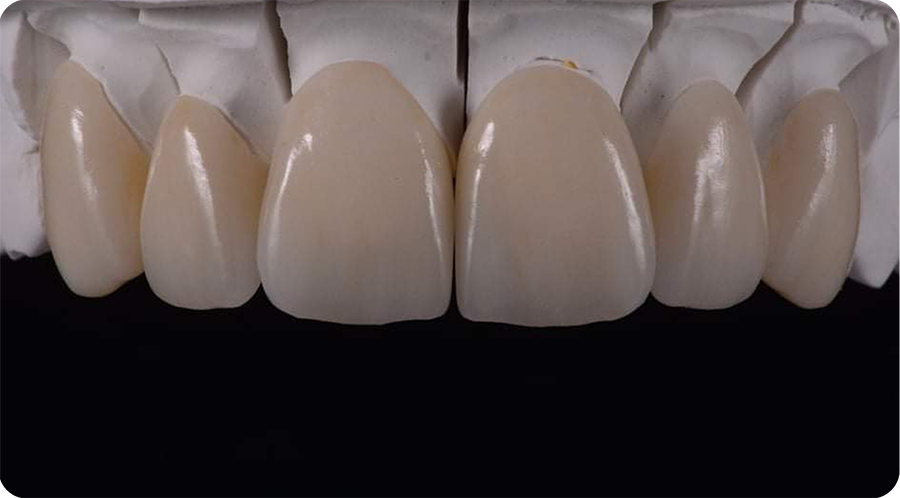
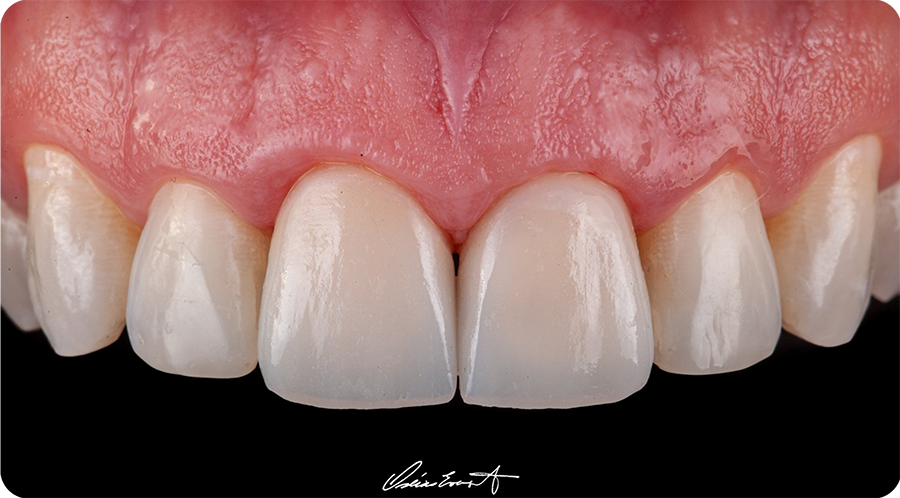
As HASS’s best-selling lithium disilicate block, Rosetta SM has earned the trust of clinicians and technicians worldwide for its consistent performance and esthetic excellence.
With a track record of clinical success, Rosetta SM offers a stable and dependable alternative
to major ceramic blocks on the market—making it a preferred choice for both new users
and long-time professionals seeking a trusted material with a proven history.
Key features 02
Optimized Strength for Both Milling and Durability
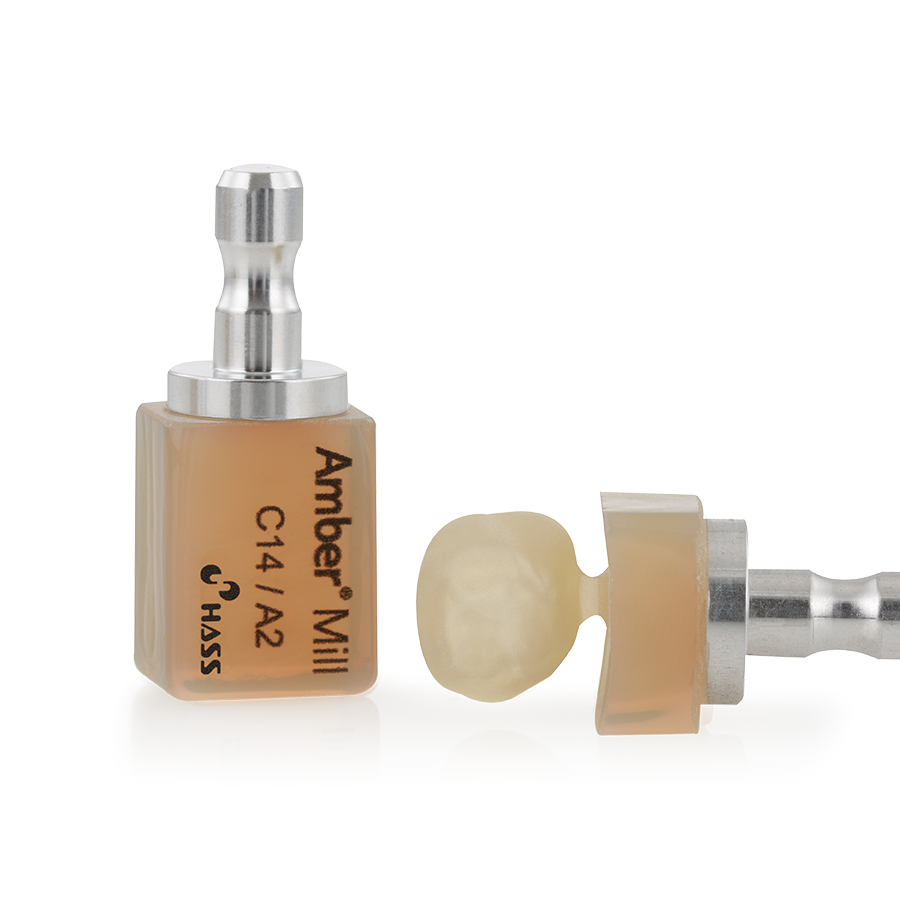
Rosetta SM is engineered for both ease of processing and long-term clinical performance.
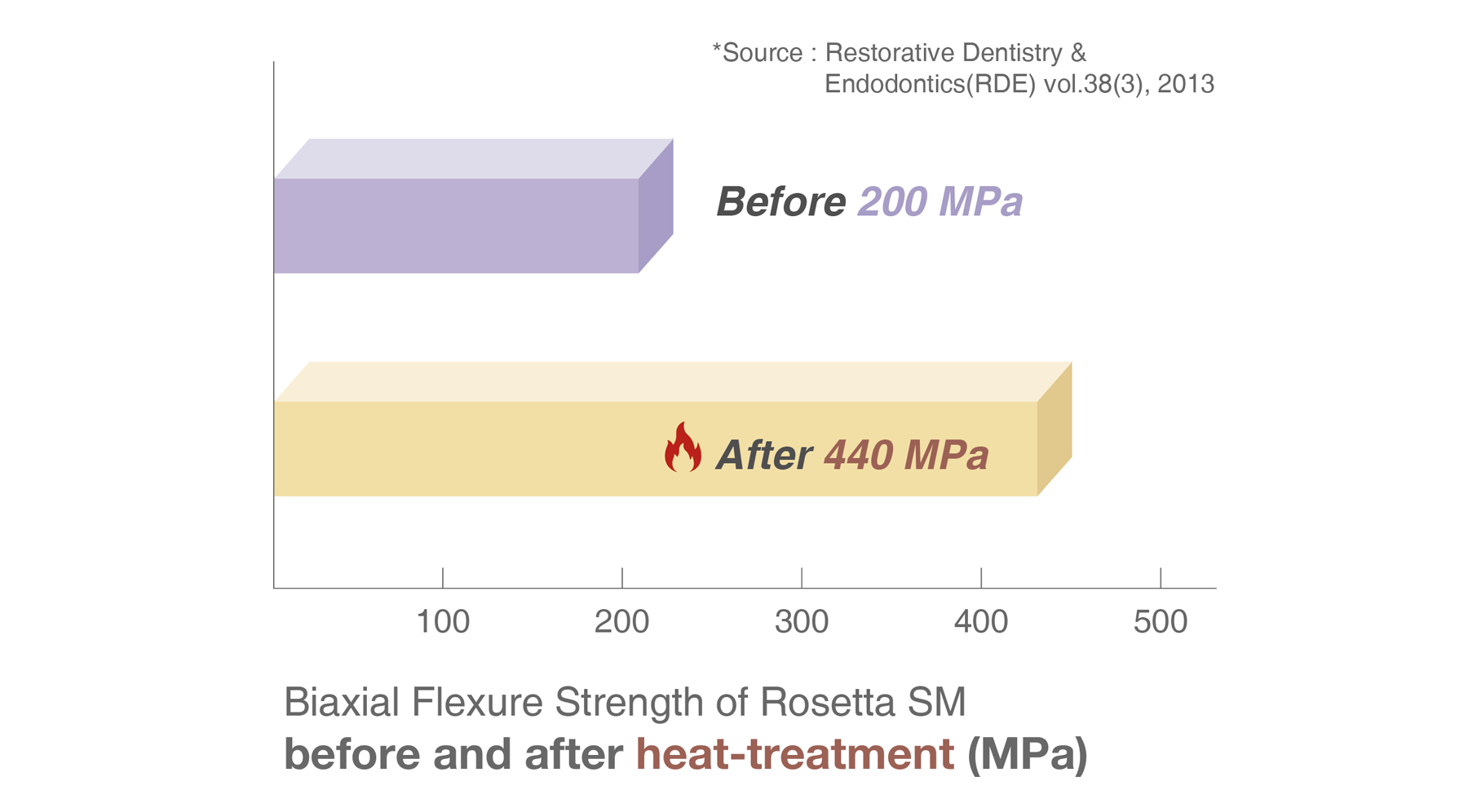
With a pre-crystallization flexural strength of 200 MPa, it ensures smooth and efficient milling with minimal tool wear.
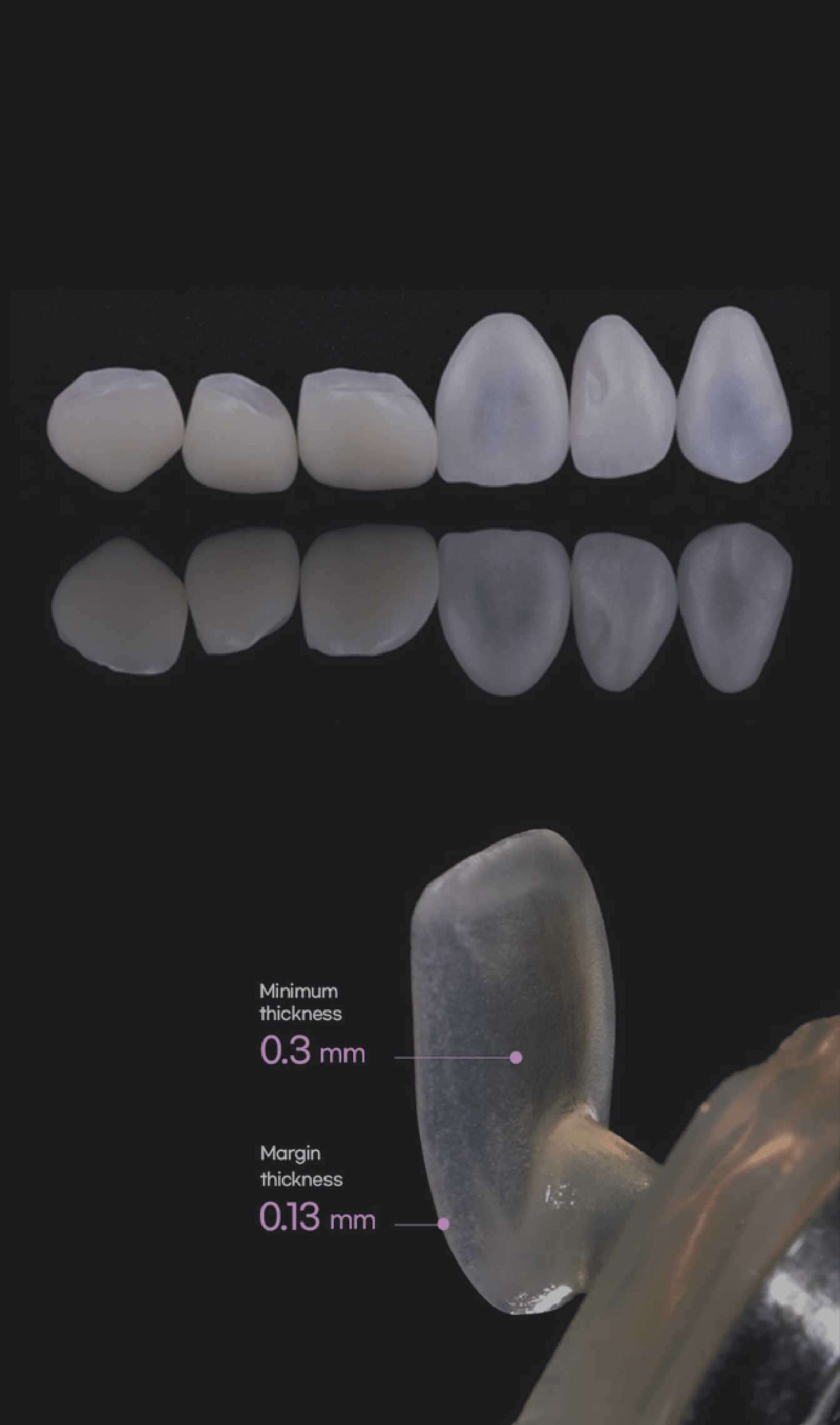
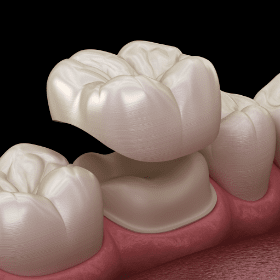
After crystallization, the strength increases to 440 MPa, providing excellent durability for a wide range of restorations, including crowns, inlays, onlays, and veneers.
This balance of workability and final strength makes Rosetta SM a reliable choice for both dental clinics and labs.
Key features 03
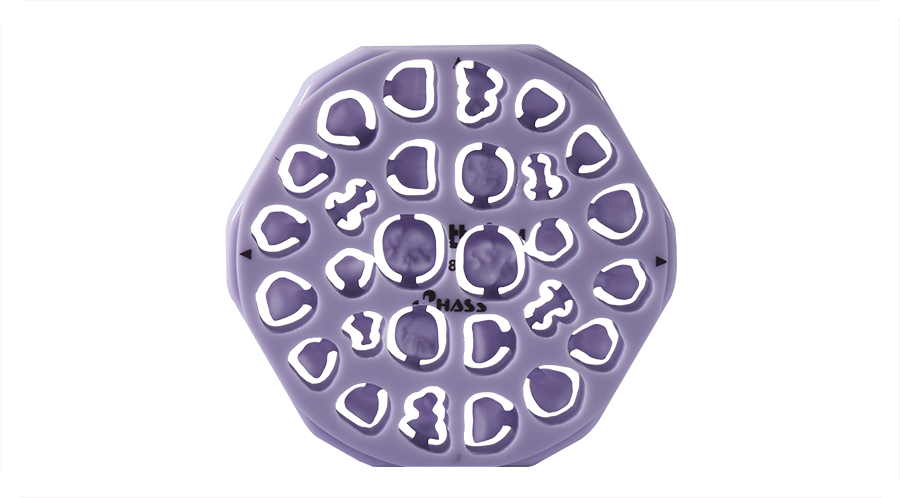
Innovative pioneer – Φ 98 DISK
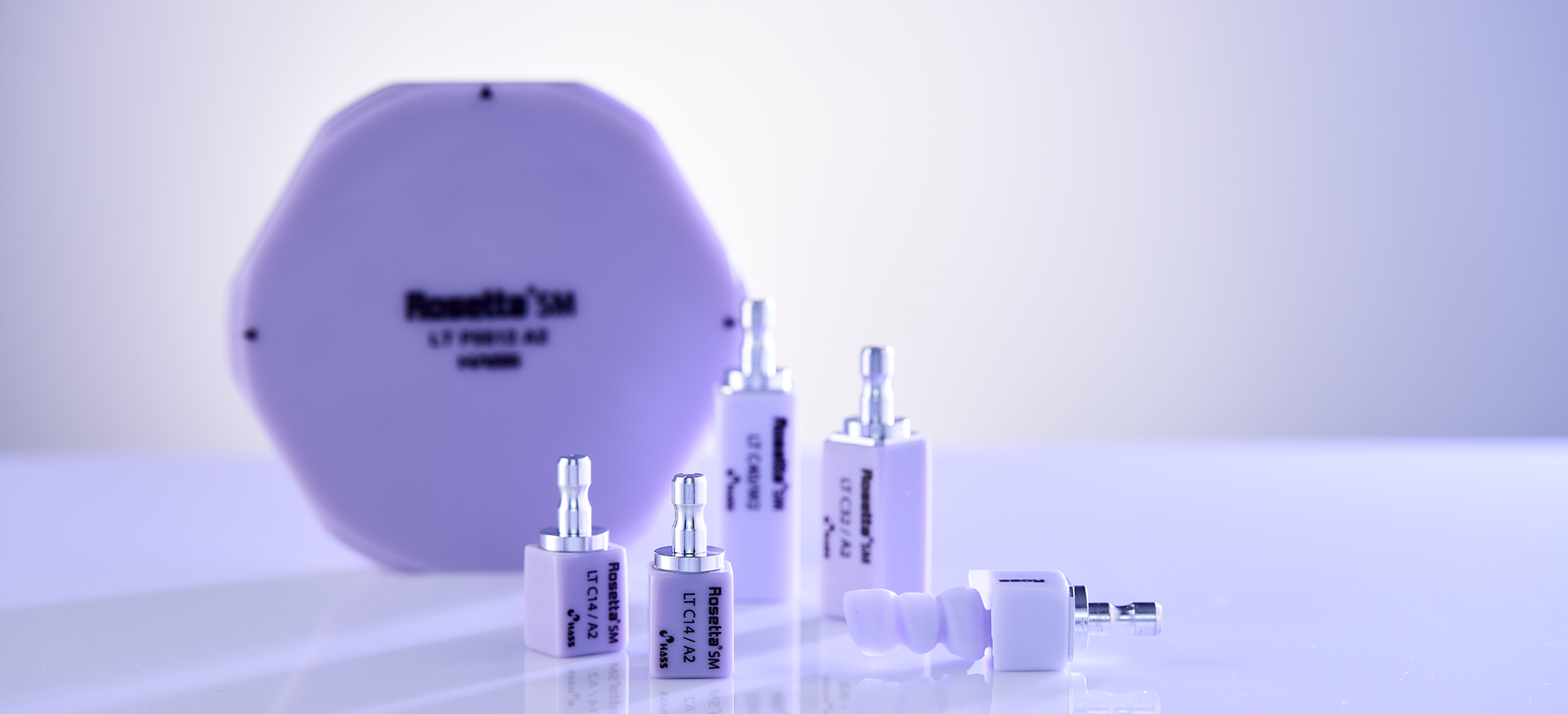
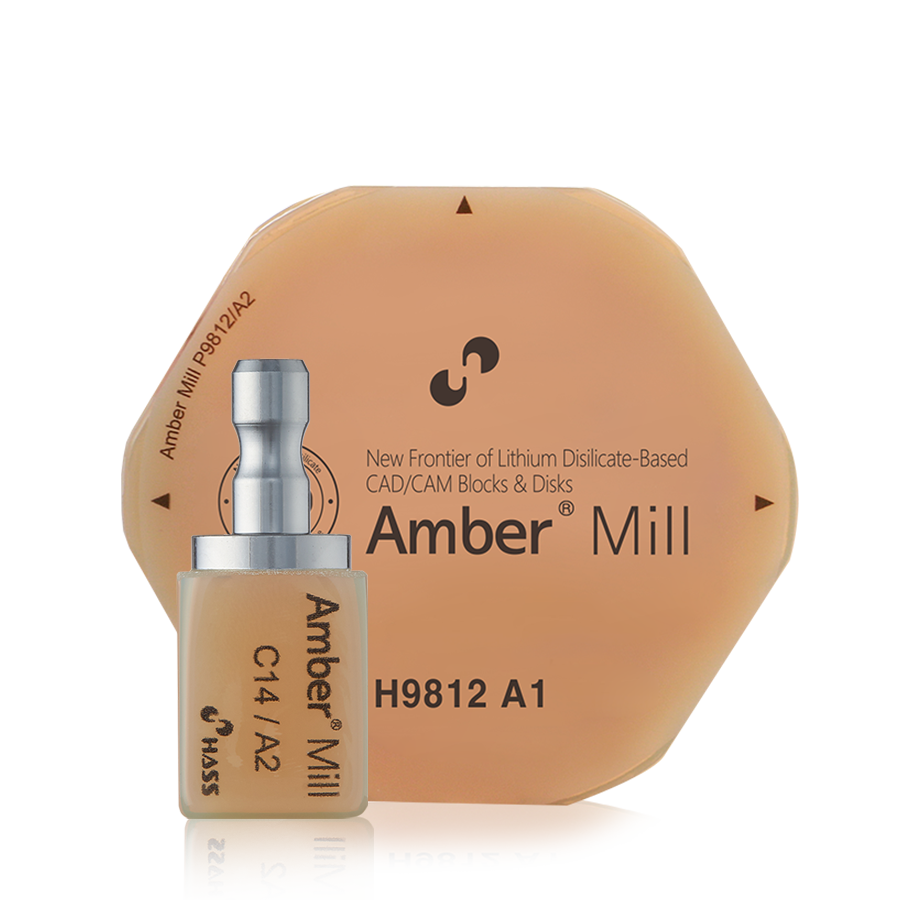
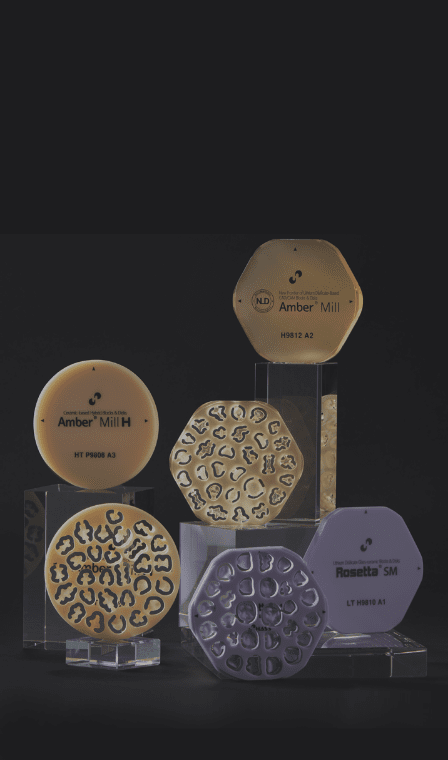
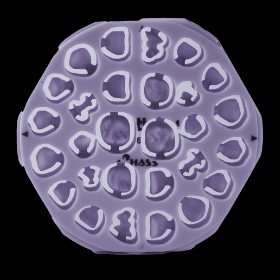
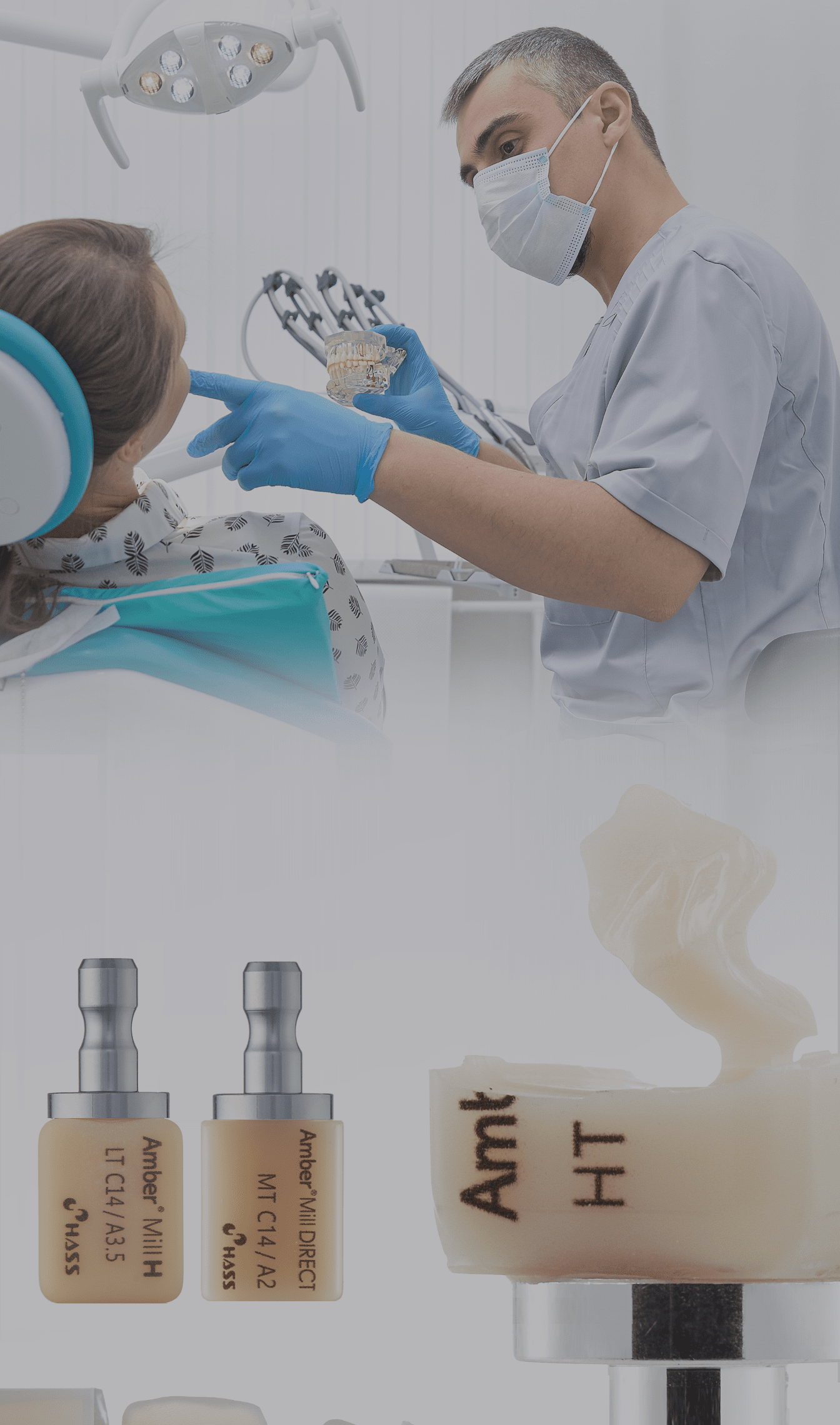
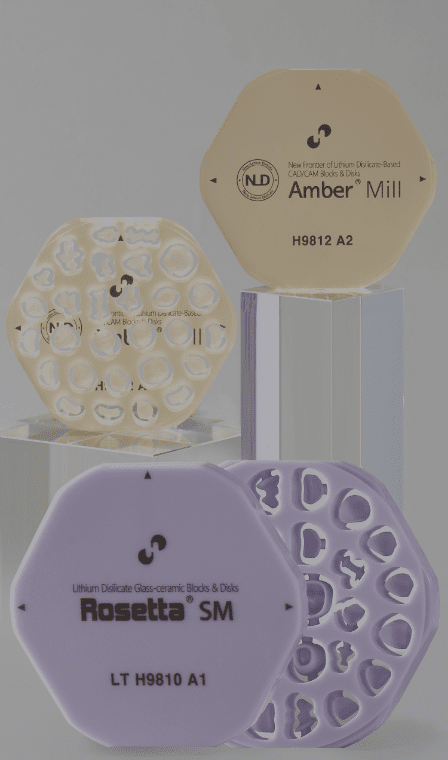
Rosetta SM is also available in a disc-type format, designed for high-throughput workflows in dental labs.
With one disc, up to 30 restorations can be milled, allowing technicians to maximize productivity and reduce material handling time.
This efficient setup makes Rosetta SM an ideal solution for batch processing, helping laboratories optimize their schedule without compromising quality.
See the Results. Trust the Material.

[1] https://doi.org/10.5395/rde.2013.38.3.134, Suk-Ho Kang, Ho-Hyun Son*, Flexural strength and microstructure of two lithium disilicate glass ceramics for CAD/CAM restoration in the dental clinic. Restorative Dentistry & Endodontics, 2013.08.23.
[2] https://doi.org/10.14815/kjdm.2014.41.1.19, Suk-Ho Kang, Ho-Hyun Son*, Physical/mechanical properties and microstructure of dental lithium disilicate ceramics for chairside CAD/CAM restoration. Korean Journal of Dental Materials, 2014.05.17.
[3] https://doi.org/10.1007/s10266-019-00460-4, Chung-Ha Lim, Tae-Sung Bae*, Evaluation of fracture strength for single crowns made of the different types of lithium disilicate glass-ceramics. Odontology, 2019.09.28.
[4] https://doi.org/10.3390/app9091798, Keunbada Son, Kyu-Bok Lee*, Comparative Study of the Trueness of the Inner Surface of Crowns Fabricated from Three Types of Lithium Disilicate Blocks. Applied Sciences, 2019.04.29.
[5] https://doi.org/10.2341/19-089-L, Luís H. Raposo, Avenida Pará*, Influence of Computer-aided Design/Computer-aided Manufacturing Diamond Bur Wear on Marginal Misfit of Two Lithium Disilicate Ceramic Systems. Operative Dentistry, 2019.12.20.
[6] https://doi.org/10.1590/1807-3107bor-2020.vol34.0004, Lucas do Nascimento Tavares, Flávio Domingues das Neves*, Microstructural and mechanical analysis of two CAD/CAM lithium disilicate glass-reinforced ceramics. Brazilian Oral Research, 2019.09.02.
[7] https://doi.org/10.4047/jkap.2020.58.4.313, Keunbada Son, Kyu-Bok Lee*, Effect of machining precision of single ceramic restorations on the marginal and internal fit. The Journal of Korean Academy of Prosthodontics, 2020.10.26.
[8] https://doi.org/10.3390/app10051858, Kunhee Lee, Kyu-Bok Lee*, Effects of Trueness and Surface Microhardness on the Fitness of Ceramic Crowns. Applied Sciences, 2020.03.09.
[9] https://doi.org/10.1590/1678-7757-2020-0122, Karina Barbosa Souza, Dayanne Monielle Duarte Moura*, Effect of different surface treatments and multimode adhesive application on the Weibull characteristics, wettability, surface topography and adhesion to CAD/CAM lithium disilicate ceramic. Journal of Applied Oral Science, 2020.07.21.
[10] https://doi.org/10.21608/edj.2020.42658.1258, Shereen Kotb Salem*, Effect of Thermodynamic Aging on Colour Stability, Roughness and Flexural Strength of Two CAD/CAM Lithium Disilicate Glass Ceramics. Egyptian Dental Journal, 2020.10.
[11] https://doi.org/10.1016/j.prosdent.2021.09.034, Seung-Sik Choo, Lee-Ra Cho*, Fatigue resistance of anterior monolithic crowns produced from CAD-CAM materials: An in vitro study. Journal of Prosthetic Dentistry, 2021.12.31.
[12] https://doi.org/10.26389/AJSRP.S160621, Mahmud Shawqi Muhammad Ahmad, Mahmoud Showky Mohammed Ahmed*, Fracture Resistance Under Cyclic Loading of Lithium Disilicate Onlays Versus Rosetta Onlays Restoring Premolars (In Vitro Study). Journal of Medical and Pharmaceutical Sciences, 2021.12.27.
[13] https://doi.org/10.1155/2022/5896511, Hazel P. R. Corado, Carlos N. Elias*, Flexural Strength of Vitreous Ceramics Based on Lithium Disilicate and Lithium Silicate Reinforced with Zirconia for CAD/CAM. International Journal of Biomaterials, 2022.02.02.
[14] https://doi.org/10.9790/0853-2106074162, Shorouk Hossam Eldin Hussien*, Translucency & Flexural strength of three lithium disilicate ceramic materials for CAD CAM restorations (In Vitro Study). Journal of Dental and Medical Sciences, 2022.06.24.
[15] https://doi.org/10.4047/jap.2022.14.5.324, Joon Hee Park, Eun-Jin Park*, Translucency and masking ability of translucent zirconia; comparison with conventional zirconia and lithium disilicate. Journal of Advanced Prosthodontics, 2022.10.28.
[16] https://doi.org/10.21608/mjd.2023.301985, Sara R. Khouri*, Marginal Fit of Veneers Made From Different Lithium Disilicate CAD/CAM Materials. Mansoura Journal of Dentistry, 2023.11.21.
[17] https://doi.org/10.4103/jpbs.jpbs_331_24, Sherif El Sayed Sultan*, In vitro assessment of the fracture resistance of Different Prosthodontic Materials for Fixed Dental Prostheses. Journal of Pharmacy and Bioallied Sciences, 2024.06.08.
[18] https://doi.org/10.1590/0103-6440202405669, Bruno Delgado Clerot, Ana Rosa Costa*, Effect of hydrofluoric acid concentration and aging on the bond strength ceramics to a resin cement. Brazilian Dental Journal, 2024.07.22.
[19] https://doi.org/10.21608/edj.2024.323743.3235, Abdelrahman Badran*, Fracture Resistance of CAD/CAM Lithium Disilicate Versus Reinforced Composite Occlusal Veneers with Two Preparation Designs (An in vitro study). Egyptian Dental Journal, 2025.01.10.
[20] https://doi.org/10.17219/dmp/171899, Anselmo A. Simionato, Renata Cristina Silveira Rodrigues*, Effects of processing techniques of monolithic lithium disilicate ceramic on wear resistance against zirconia antagonist. Dental and Medical Problems, 2025.04.29.
![[Rosetta SM-Manual]](https://hassbio-head.s3.ap-northeast-2.amazonaws.com/videos/thumbnails/1x3Cs3ZCW9vjvIX6tSJjKJhCqrqIZwksv8XMmm8x.png)
![[Rosetta SM-Manual]](https://hassbio-head.s3.ap-northeast-2.amazonaws.com/videos/thumbnails/L3xJcn6iK2ufDFtc87oLCMRmHZ1wwderzZzCrQMA.png)
![[AMH-Manual] EN](https://hassbio-head.s3.ap-northeast-2.amazonaws.com/videos/thumbnails/FgtxPDLrpjdldAtOK5BcwOnRzdcQchDT01a1WOeS.png)
![[AMH-Manual] KR](https://hassbio-head.s3.ap-northeast-2.amazonaws.com/videos/thumbnails/hDONNERI8fvEE3GA8RWIHDgMrgfJSePHzIpbt0kX.png)
![[AMD-Manual]](https://hassbio-head.s3.ap-northeast-2.amazonaws.com/videos/thumbnails/H7j9yC5j02Ufr0wj8XBj1PVClkU7WHEPIuWagr45.png)
![[AM-Manual] Series](https://hassbio-head.s3.ap-northeast-2.amazonaws.com/videos/thumbnails/MbXomeQQiRTq99310dZboJJnZyexBHEWD0qqNhei.png)
![Reference Articles] Rosetta SM](https://hassbio-head.s3.ap-northeast-2.amazonaws.com/downloads/images/iejVHgmydFhxbQB3VNH7yV9i7UGsFBxZe6WAAmf1.png)
![Scientific Data] Amber Mill](https://hassbio-head.s3.ap-northeast-2.amazonaws.com/downloads/images/8pGUe3Yw5Q4EXH61VudNjmco3W5pVklRjX9lQ3xM.png)
![Reference Articles] Amber Mill](https://hassbio-head.s3.ap-northeast-2.amazonaws.com/downloads/images/S3nSScxwq2Y32XThe4rvw6ZQpC5sB6JQdoLtN3lg.png)
![Reference Articles] Amber Mill Direct](https://hassbio-head.s3.ap-northeast-2.amazonaws.com/downloads/images/HFhPUzF9qK401ILc19qGtIAzde4qHfC4iRy3Na0S.png)
![Reference Articles] Amber Mill Q](https://hassbio-head.s3.ap-northeast-2.amazonaws.com/downloads/images/i0aHglGdkEN70srury5b1mGKERylIFFzZKs6krp2.png)
![Reference Articles] Amber Mill H](https://hassbio-head.s3.ap-northeast-2.amazonaws.com/downloads/images/04G8rgQkmPsyb6GjpxBOdyHTwC6xCZHhRfMKlRMO.png)



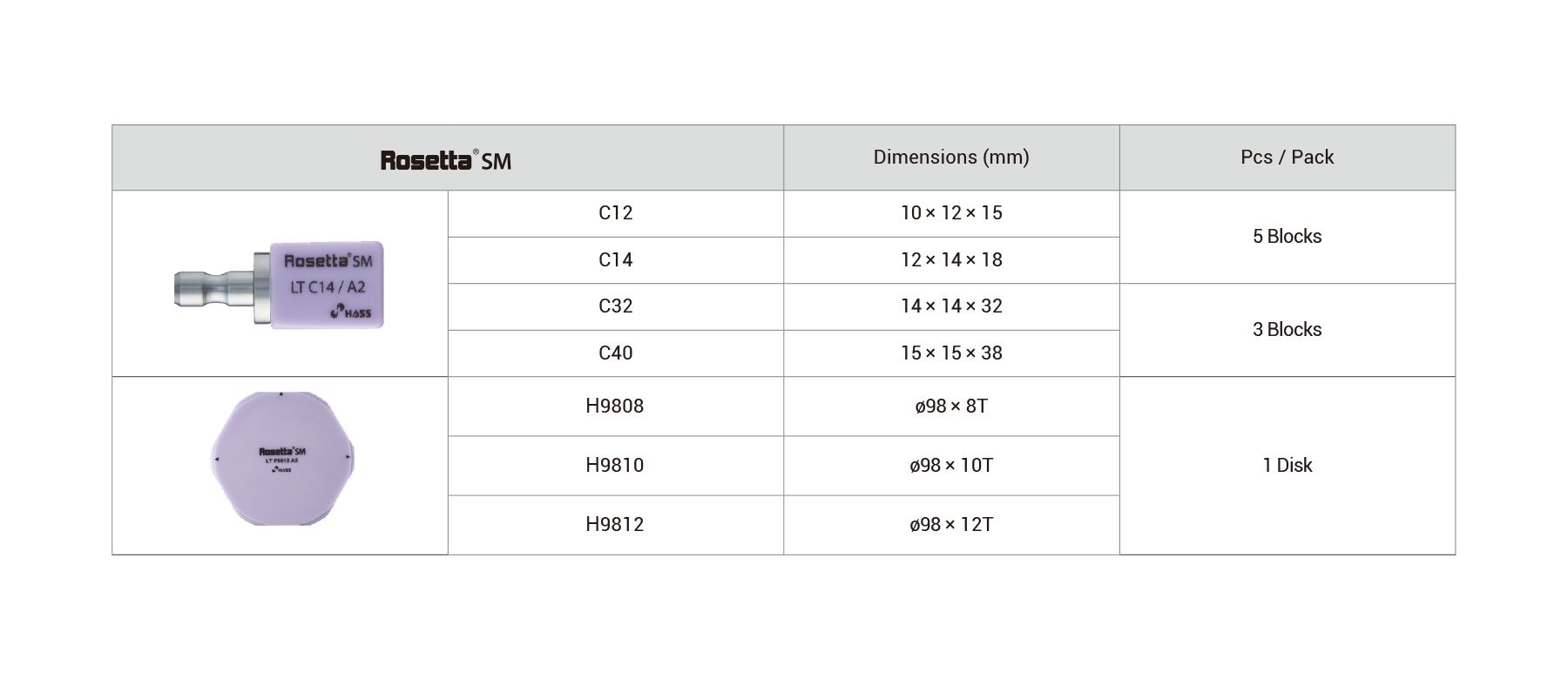
Product Line-up
Product Line-up
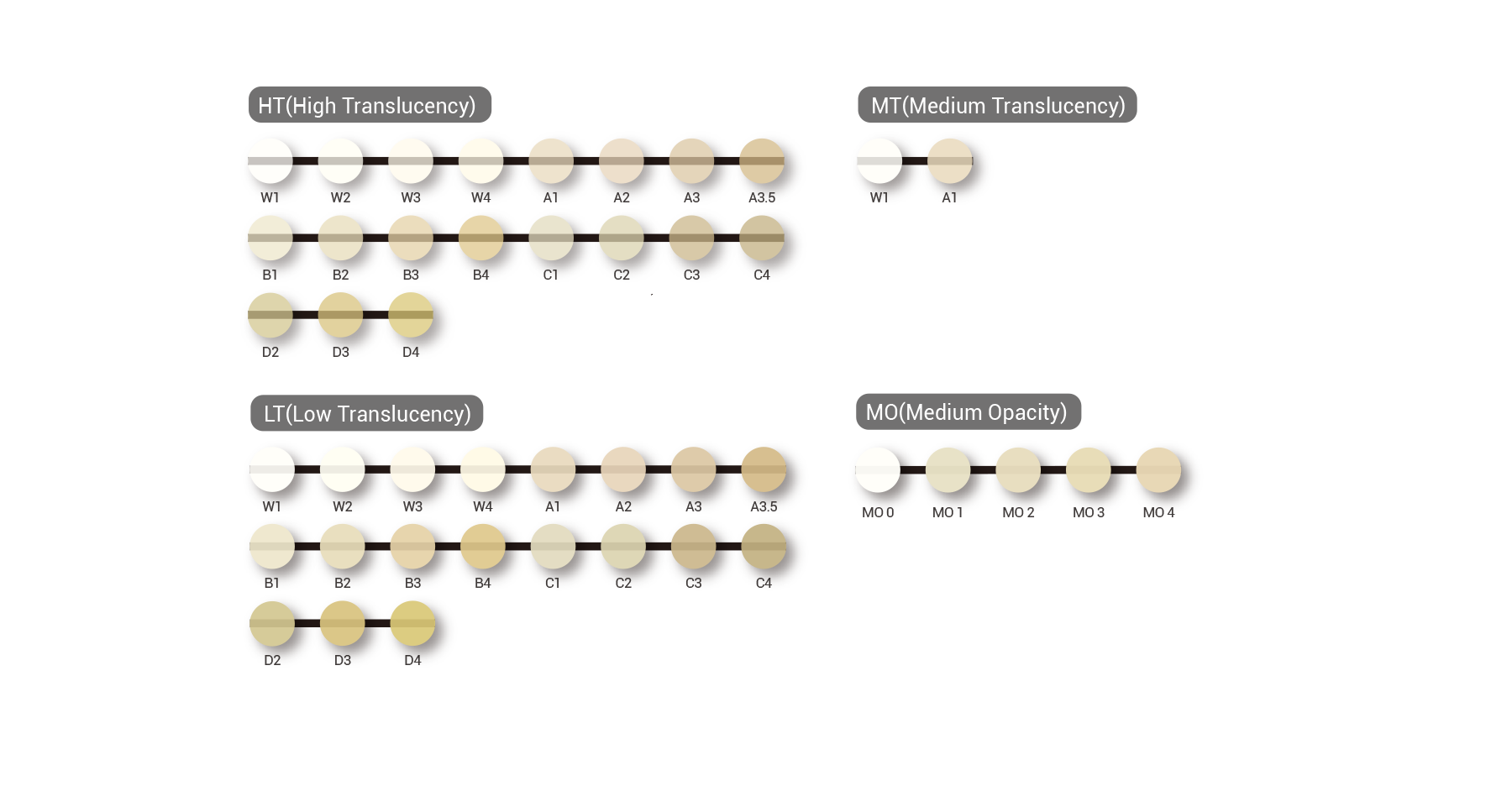
Available Shades
Available Shades
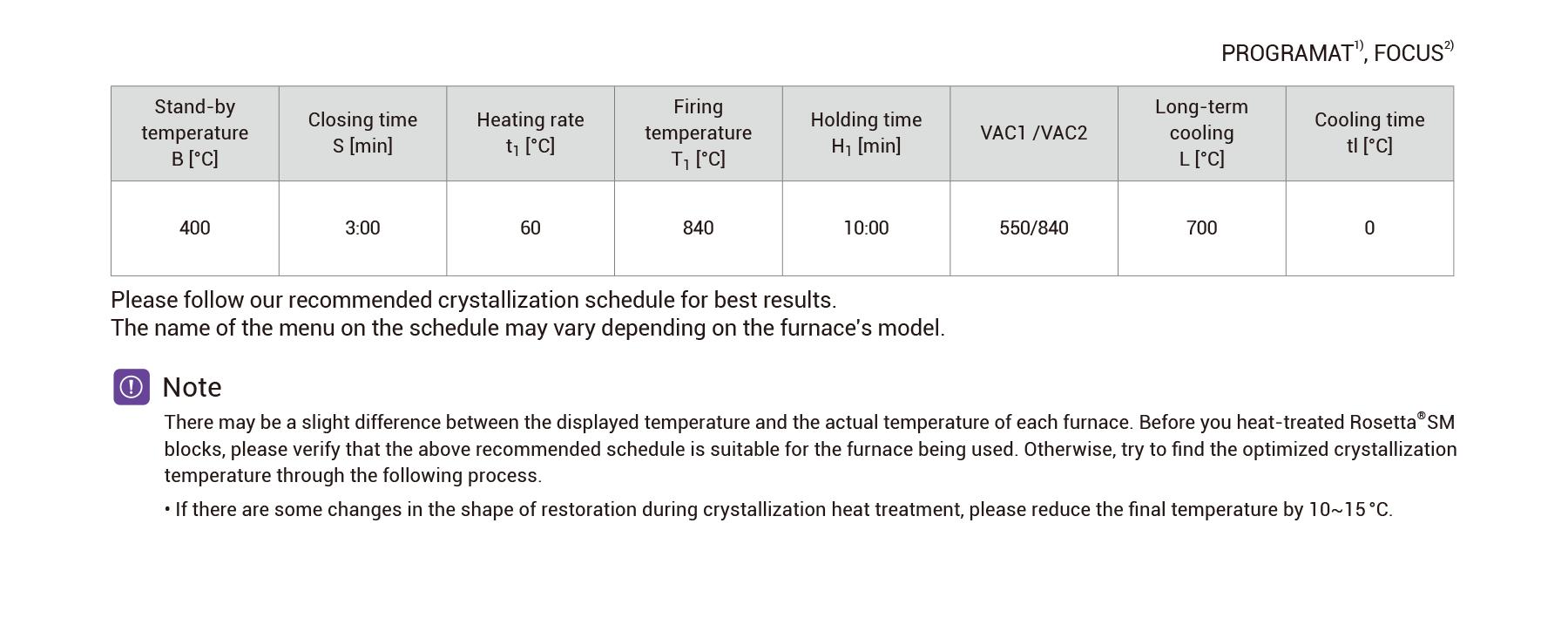
Recommended Crystallization Schedule
Recommended Crystallization Schedule